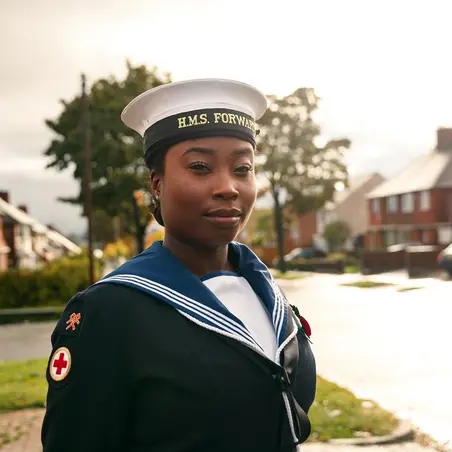
1. Wearing a poppy shows recognition of the service and sacrifice of our Armed Forces Community.
It represents those who lost their lives on active service, from the First World War up to the present day. It shows support for veterans, those currently serving and their families.
It also recognises the sacrifices of civilian individuals, communities, services and organisations during times of conflict or acts of terrorism.
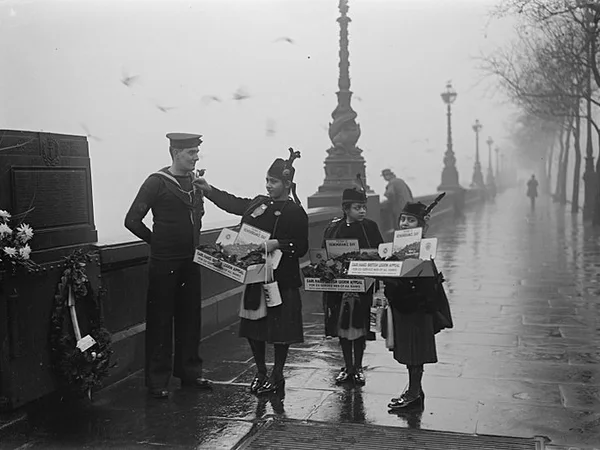
2. The poppy has been a symbol of Remembrance for over 100 years
The poppy became a symbol of Remembrance and hope for a peaceful future in the aftermath of the First World War.
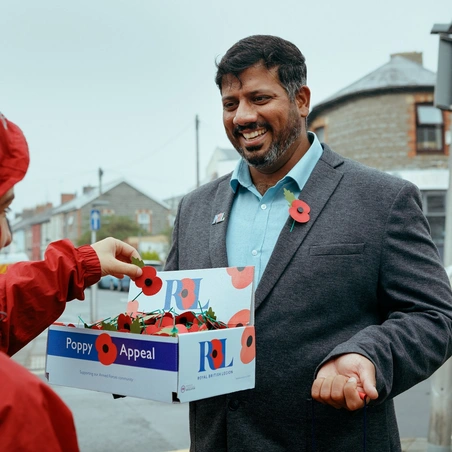
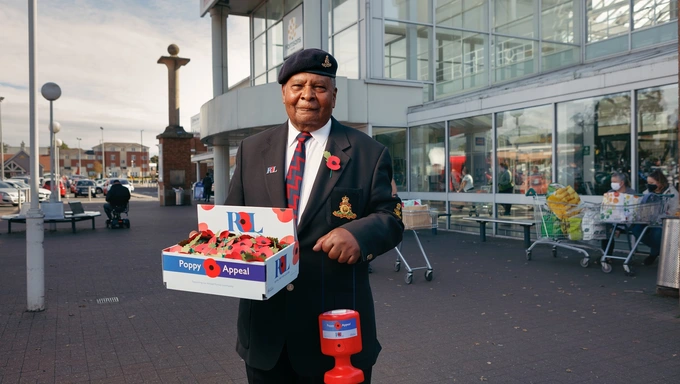
Since 1921 our collectors have been at the heart of the Poppy Appeal. And this year they will be back in local communitites across the UK to collect donations that help RBL continue it's vital work.
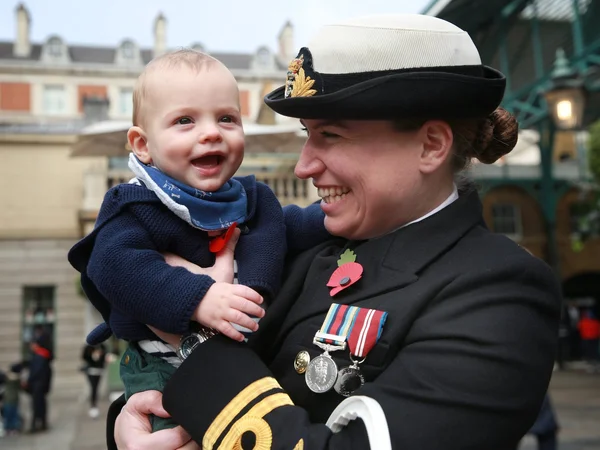
3. There is no ‘correct’ way to wear a poppy
It’s a matter of personal choice whether someone chooses to wear a poppy and how they choose to wear it.
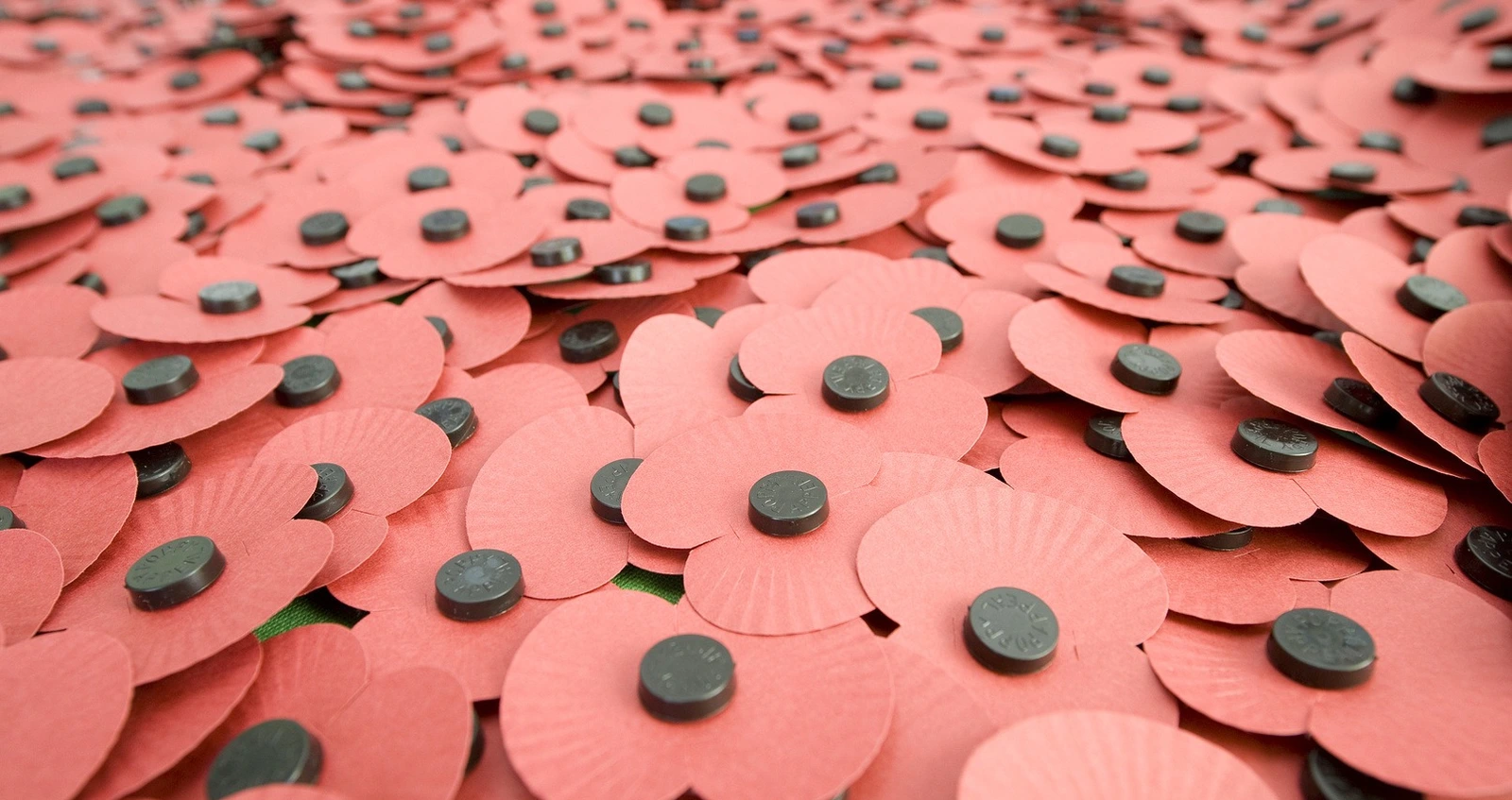
From paper poppies to pins, bag charms to pet poppies, the best way to wear a poppy is simply with pride.
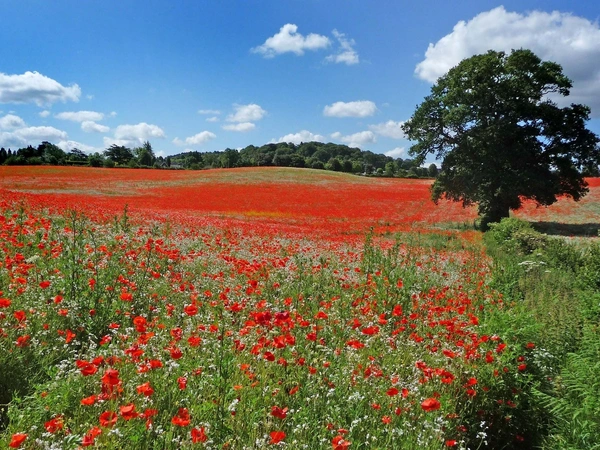
4. The Remembrance Poppy is red: the colour of the wildflower
But out of this devastation the delicate but resilient bright red Flanders poppies grew and flourished in their thousands.
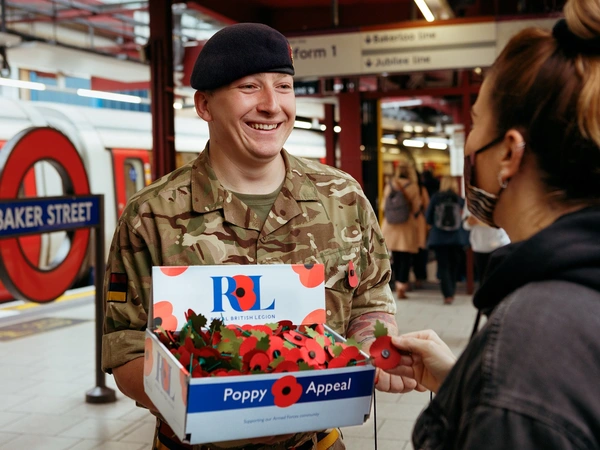
5. The red poppy directly supports the Armed Forces community
The red poppy is worn as a show of support for the Armed Forces communities across the UK, Allied Forces and the Commonwealth.
Only donations from the sale of our red poppies go directly towards helping the Armed Forces community.

6. Poppies are sold in every community across the UK
Every year the rumour that poppies have been banned in some communities resurfaces. This is simply not true and each year thousands of volunteers from all walks of life take to the streets, train stations and supermarkets around the country to help us raise vital funds for the Armed Forces community.
Everyone who wants to take part in remembrance can do so, either by making a donation for our traditional poppy, or by taking part in other activities.
7. A poem inspired the use of the poppy as a symbol of Remembrance
The poem inspired American academic, Moina Michael, who successfully campaigned for the poppy to be adopted as a symbol of Remembrance by the American Legion Auxiliary.
At the same time, Anna Guérin was simultaneously promoting the poppy as a Remembrance symbol. By the end of 1920 she had been responsible for Poppy Days in several US states, but she was also looking further afield.
In September 1921 she visited the newly-founded British Legion to ask if it would adopt the poppy as an emblem to raise funds. The Legion agreed and on 6 October Earl Haig announced that he wished 11 November 1921 to be known as Remembrance Day and that it would be a ‘Poppy Day’.

8. Donations for poppies help families like Lawrence's

9. And funds recovery services like the Battle Back Centre
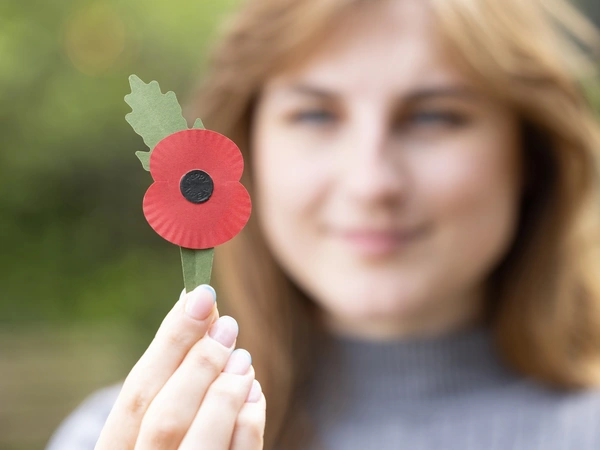
10. Poppies are recyclable
In 2023 we introduced plastic-free poppies that can be recycled in ordinary paper recycling collections.
There are also a variety of enamel poppy pins that you can wear instead of a paper poppy and we have a range of alternatives available from our Poppy Shop at www.poppyshop.org.uk. You can then choose to make a donation to the appeal every year.