The red poppy is the symbol of Remembrance. It remembers the sacrifices of those who have served their nation. It shows support for today’s Armed Forces community. It represents hope for a peaceful future.
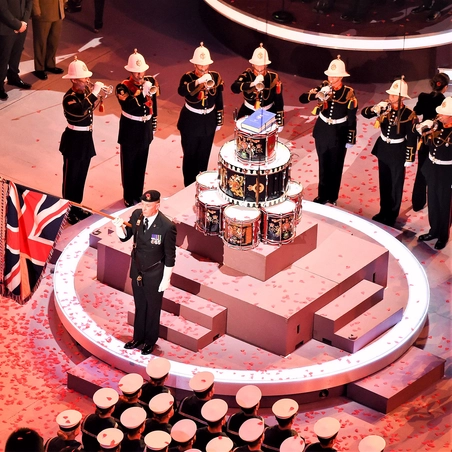
For more than a century it has been worn, collected in wreaths, its petals dropped, and represented in countless ways as a mark of respect and Remembrance. To wear one is a personal choice and is greatly appreciated by the Royal British Legion.
What the poppy represents helps to bring society together to recognise, remember and support the Armed Forces community.

In Flanders Fields
The story of how the poppy became the flower of Remembrance begins in the mud and horror of First World War battlefields. In France and Belgium, land was repeatedly fought over and blasted by millions of artillery shells.
Poppy seeds, brought to the surface by the violent churning of the earth, began to sprout in the light. Soon, millions of bright poppies covered the ruined landscape.
The sight was witnessed by the troops. They picked them as keepsakes or enclosed in letters sent home. A Canadian doctor, Lieutenant Colonel John McRae, was moved by the sight of the flowers. He had just lost a friend and colleague on the battlefront: inspired, in May 1915 he composed the poem which we know today as ‘In Flanders Fields’.
It was first published in Punch magazine in December 1915 and quickly became one of the most popular poems of its age.

The Poppy and the RBL
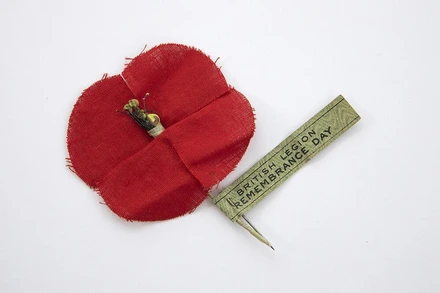
Two women were key in the adoption of the poppy as the symbol of Remembrance. In 1918, in response to McCrae's poem, American academic Moina Michael wrote 'And now the Torch and Poppy Red, we wear in honor of our dead…'. She campaigned for the poppy to be a symbol of Remembrance.
At the same time, French lecturer Anna Guérin was also promoting the poppy. She was no stranger to the UK and in 1921 visited the newly-founded British Legion with samples of the poppies made by French women to raise funds for children of the devastated regions of France. She asked if the Legion would adopt the poppy as a means to raise funds. The Legion ordered a million, and when Earl Haig announced that he wished for 11th November to be a ‘poppy day’, it ordered another eight million from British manufacturers.
The poppies sold out almost immediately, and that first 'Poppy Appeal' raised over £100,000 (a huge sum) to help veterans with housing and jobs. In 1922 the Legion founded the Poppy Factory - staffed by ex-servicemen with disabilities - to produce its own. Today, the factory and our warehouse in Aylesford produces millions of poppies each year
In Scotland, to meet the growing demand for poppies, Earl Haig's wife established the 'Lady Haig Poppy Factory' in Edinburgh in 1926. Today, it produces over five million Scottish poppies (which have four petals and no leaf) each year which are distributed by our sister charity Poppyscotland.
A poppy can be worn throughout the year, of course: whenever people wish to show their support for British and Commonwealth Armed Forces, past or present.

The Poppy Today
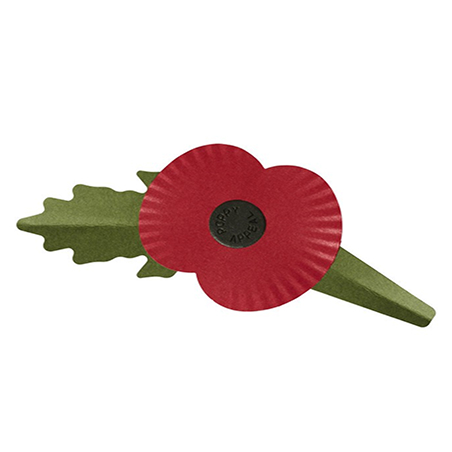
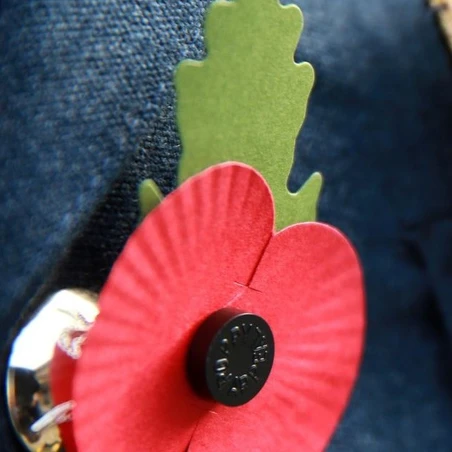
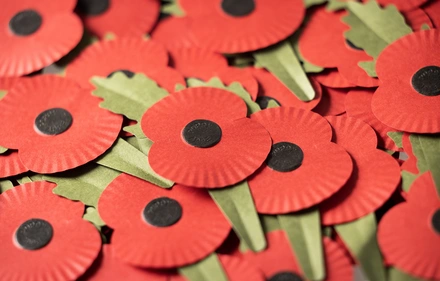
The design of the Poppy has evolved over more than 100 years, from the original cotton, handmade version to the plastic-free design introduced in 2023. This poppy is made entirely from specially-manufactured red and green paper - four miles of it are used each year to meet demand. The paper poppy is also easily recycled.
There are many alternatives to the paper poppy. Enamel poppy pins, charms and tags for pets can also be purchased to help us support the Armed Forces Community.

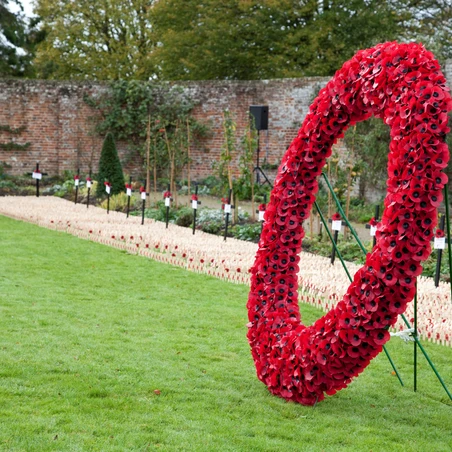
Poppies are also collected into wreaths, and adorn the wooden tributes which each year are planted in cemeteries and the Fields of Remembrance around the UK.
Every year millions of poppies are made from paper, crocheted, drawn and sculpted. No matter how it is made, the poppy unites us in remembering all those from the British and Commonwealth Armed Forces who have served and sacrificed; and do so today, to defend our freedoms.
About the Paper Poppy
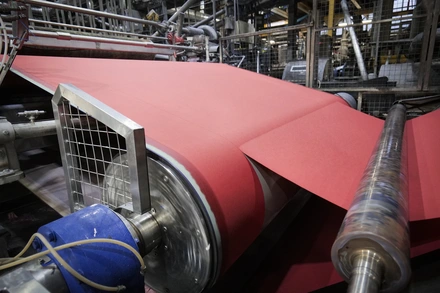
The plastic-free poppy is created from bespoke red and green paper manufactured by specialist papermaker James Cropper.
The paper is made using a blend of renewable fibres from responsible sources, 50 percent of which has been recovered from the waste used in the production of coffee cups.
More than four miles of paper are produced every year to create the poppy.
Once manufactured, giant rolls of red and green paper are transported to the Royal British Legion’s warehouse in Kent where they are loaded onto specialist automated machines that cut and crimp the paper before assembling the poppy.
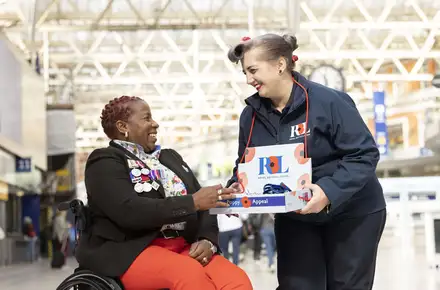
Finished poppies are then packed and distributed across the UK, from supermarkets and retail stores to local collectors up and down the country.
After Remembrance Sunday the plastic-free poppy can be easily recycled at home via ordinary paper recycling collections.