

Inayat Ali served in India and the Far East during WWII and was present at Partition in 1947, leaving memories of momentous events for his family. His son, Raja Abdul Razak, and grandson, Nadeem Fayaz, recall his service and life after the War.
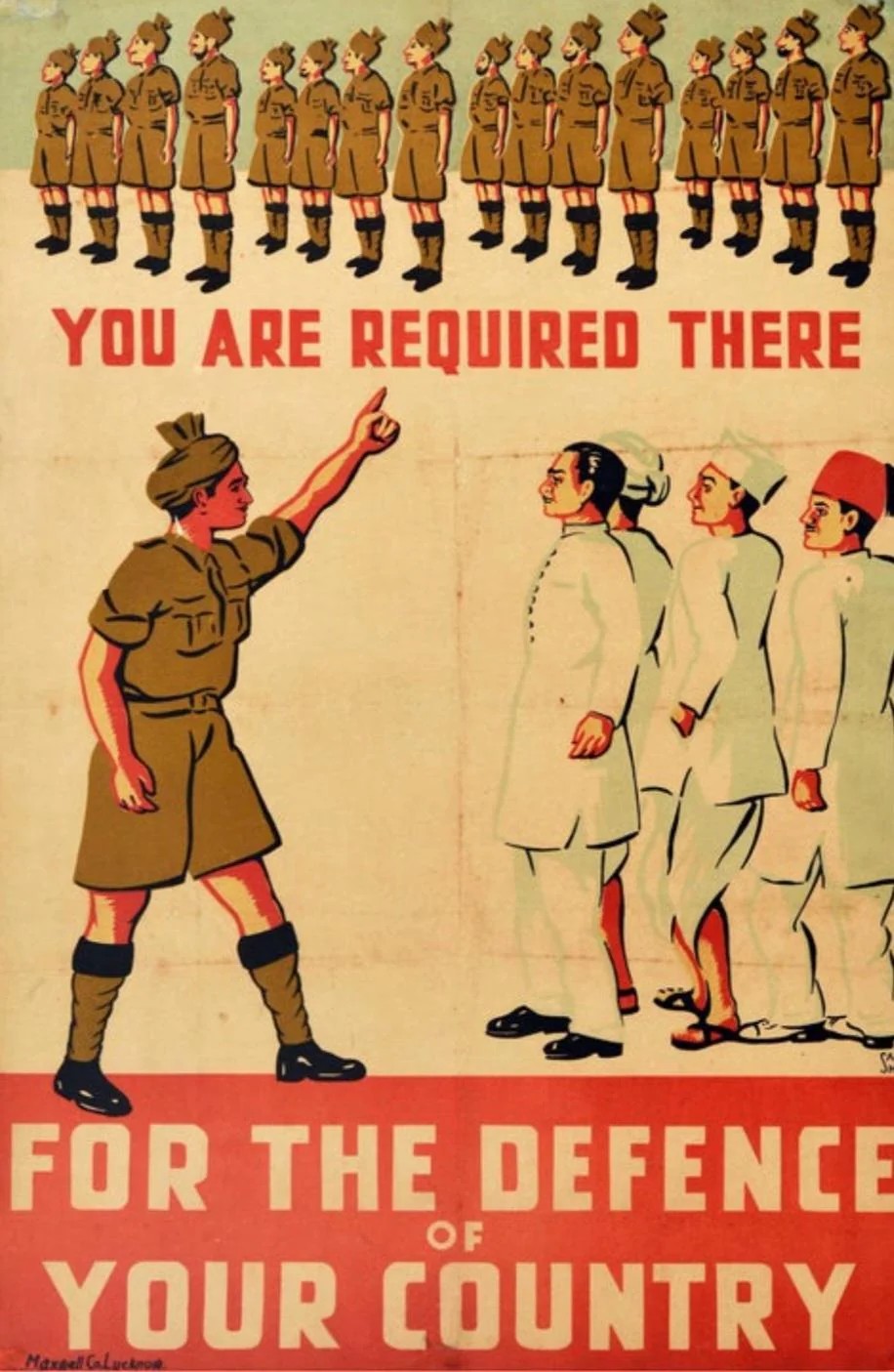
“A better future and independence from British Rule.” These were the incentives that Nadeem believes encouraged his grandfather to enlist. It was 1941 and Inayat’s family were Muslim farmers living in Mirpur, Azad Kashmir. It was a relatively poor existence and agriculture was the only employment.
“The main reason (Indians joined the British Indian Army) was to provide for their family, and to earn more money and, secondly, the British had promised if they won the war, India would get independence,” Nadeem recalls his grandfather saying.
India was an essential logistics base for Britain, providing enormous amounts of war materials like timber and steel. Its location bordering Burma was strategically crucial, and the Japanese invasion of early 1942 became the focus for the 14th Army, the main Allied fighting force which would eventually liberate Burma.
Training and Deployment
The British Indian Army became the biggest volunteer army in history, with some 2.5 million men and women serving. Among them was 21-year-old Inayat, who joined the Corps of Indian Engineers. All who joined the Corps were trained for the dual role of soldier and engineering tradesman. Inayat was sent to Lahore for basic training, after which he became a mechanic and was also trained as a driver.
The army authorities struggled to train the thousands of young men who volunteered and Inayat spent nearly a year travelling the country from one training camp to another. It was the first time he had got to see the whole of India. He also spent months training in the jungle regions.
The Engineers played a critical role in providing infrastructure support, clearing roads, building airfields, laying or clearing mines and keeping supply and transport lines open. They also demolished bridges to slow advances by the Japanese forces.
Inayat was sent all over India as well to Burma, Malaysia and Singapore. “You name it, he’d been there,” says Nadeem.
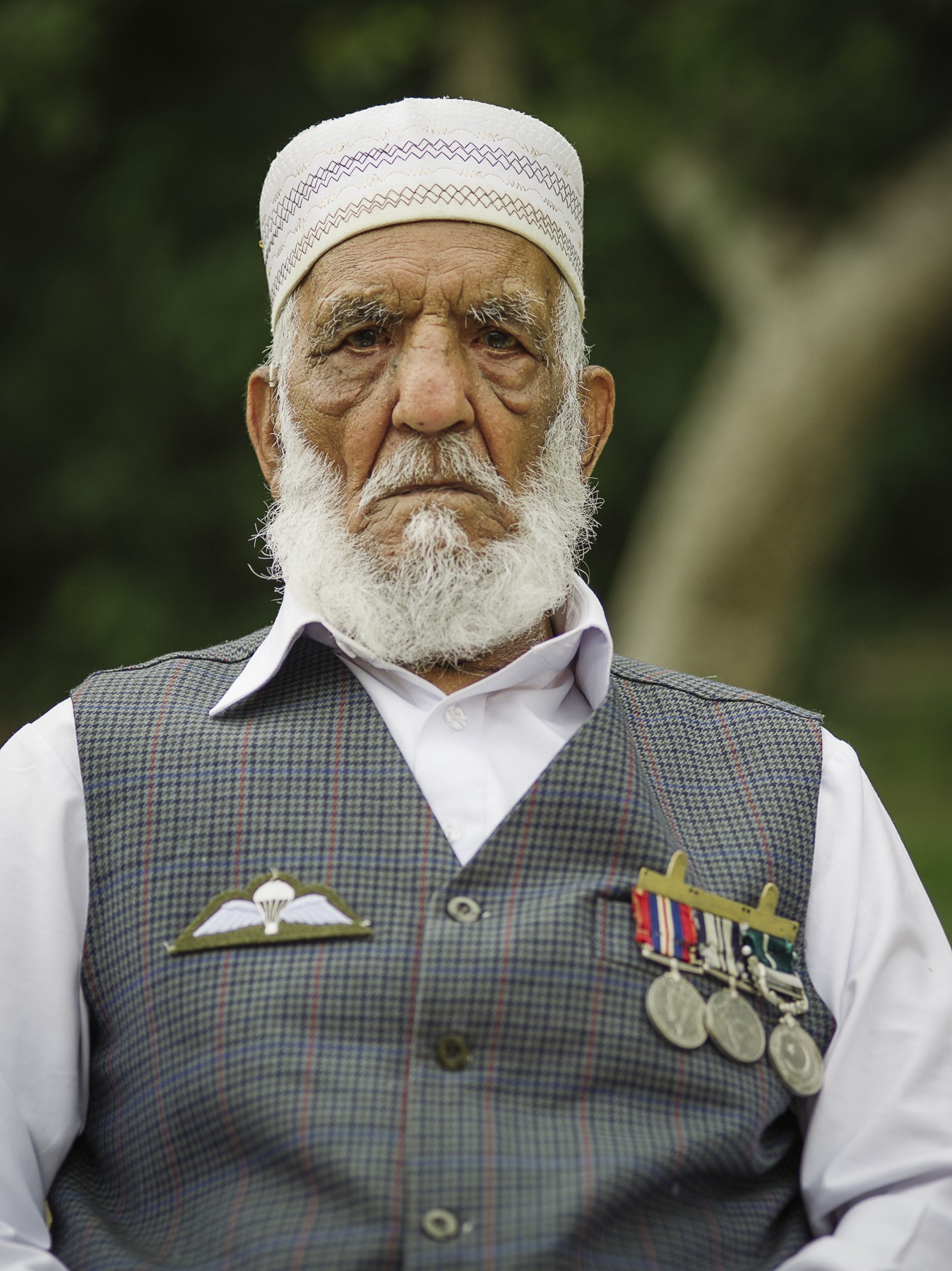
Portrait of Inayat by Jagdish Patel
Inayat’s unit became a parachute one in 1943. He had 12 days’ parachute training at Chakala airport and in the Bilaspur district. A training exercise was abandoned when it was realised that a river in the intended landing zone was full of huge crocodiles.
Inayat’s son, Raja Abdul Razak, recalls that communication was difficult. Just nine at the time, he had the family responsibility to read out letters and write to his father. “It would take about two months to get a letter by the time I sent back.”
Raja recounts the extent of service by the family during the War. “My uncle, my dad’s elder brother, at that time he came to England and was in Cardiff. My dad’s first cousin, he joined the army, at the same time. He was sent to Japan and he was a prisoner of war in Japan.” another uncle served in Italy. “It was three years, then he came back. They were young people then. He could speak fluent Italian, like Italian people - just shows you how long they had been there.”
After the war – and Partition
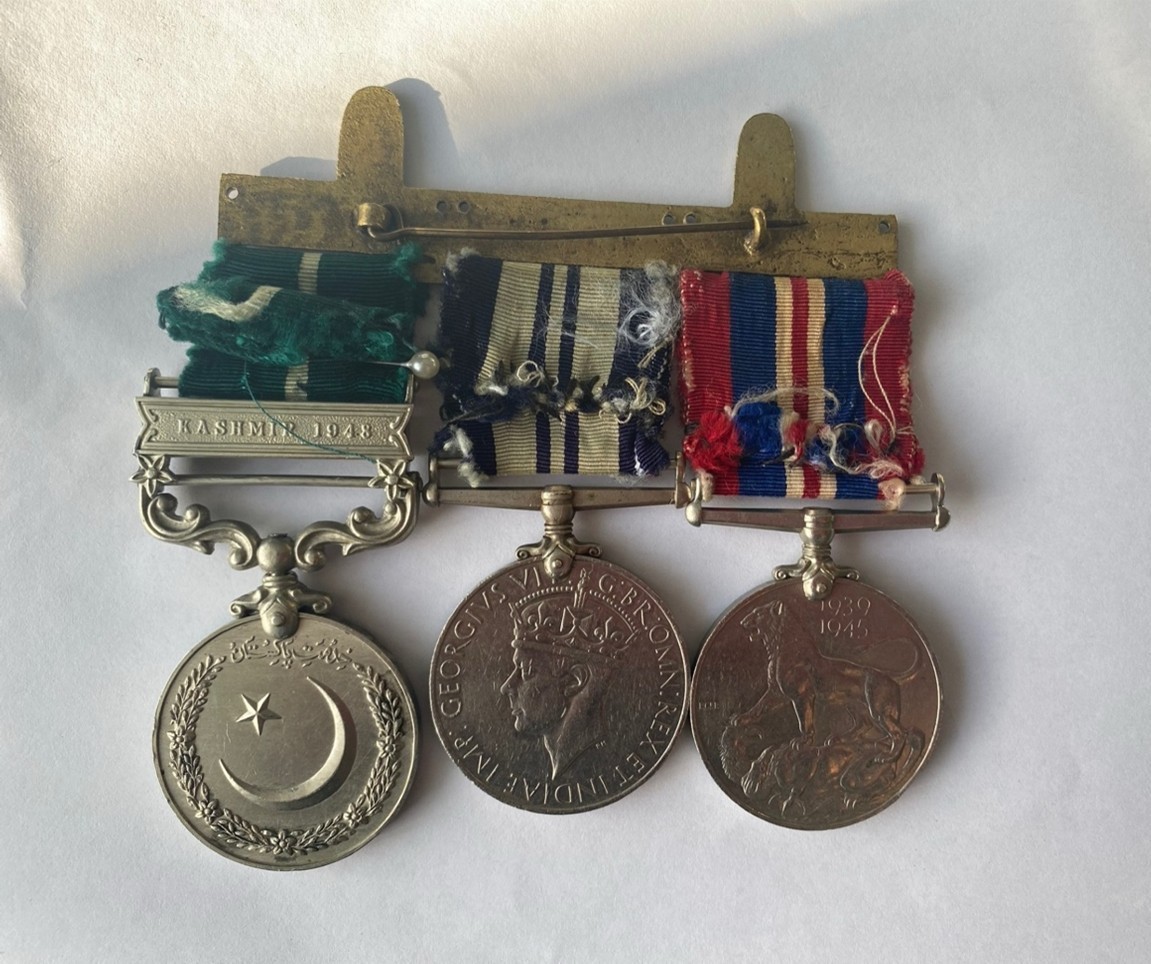
At the war’s end Inayat remained in the Army. In July 1947, the Indian Independence Act set the scene for Partition and millions of refugees began to travel in both directions between India and the new country of Pakistan. Inayat and his Army Engineer colleagues built extra bridges and maintained the infrastructure, to aid people’s movements. Amid the chaos and rising violence of Partition, devastating floods in September and October killed tens of thousands of refugees as roads were swept away.
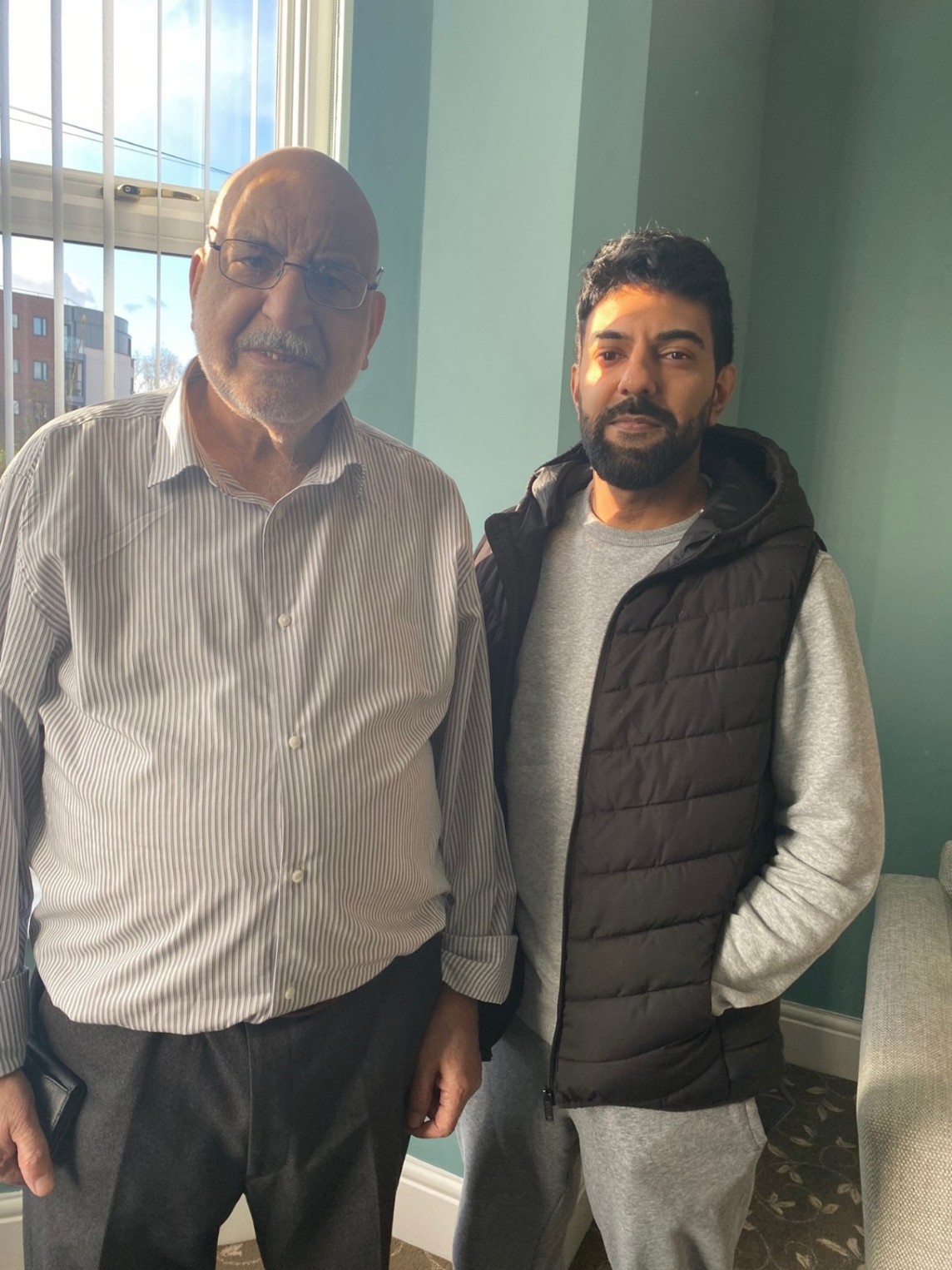
Inayat was based at Amritsar and Nadeem video-recorded his recollections of the time: “There was a lot of tension. I was stationed where we saw convoys of refugees moving towards Pakistan. The situation was dire; trains were being stopped, and there was a lot of violence.”
Inayat remained in the newly-created Pakistan Army for a further ten years, and a major change came in 1960. Raja recounts his father’s emigration to the UK. “He came to London first (my uncle was in London)... He was there and worked 2-3 months in a bread factory. And then he came to Nottingham, and then settled here from then onwards, and stayed with cousins. I came two years after, I came on my own; my mum later.”
Nadeem recalls a story early on in his grandfather’s time in Britain: “He was working on the railways, and he got told to come to the office, and the manager’s saying ‘do you recognise me?’ and he’s thinking ‘why would I recognise him?’. Then he realised: Oh my god. This was my superior in the army!”
Throughout the community people had huge respect for Inayat. “Everyone in the area knew him as ‘Baba’ and he knew everyone. Everyday he used to go to the park, walking.” Proud of his birth identity all his life, he said “I’m not a Pakistani or an Indian, I’m from Kashmir: a Princely State.” Inayat passed away in 2025 at the age of 105, and is deeply missed.