
Narita Bahra K.C., has been described as a ‘fearless advocate’ - someone who stands firm in the face of adversity.
The conviction and pride that underpin her work today are rooted in a family legacy of service spanning four generations. At the heart of that legacy is her grandfather, Company Quarter-Master Havildar Ram Singh Bahra, who served in both World Wars.
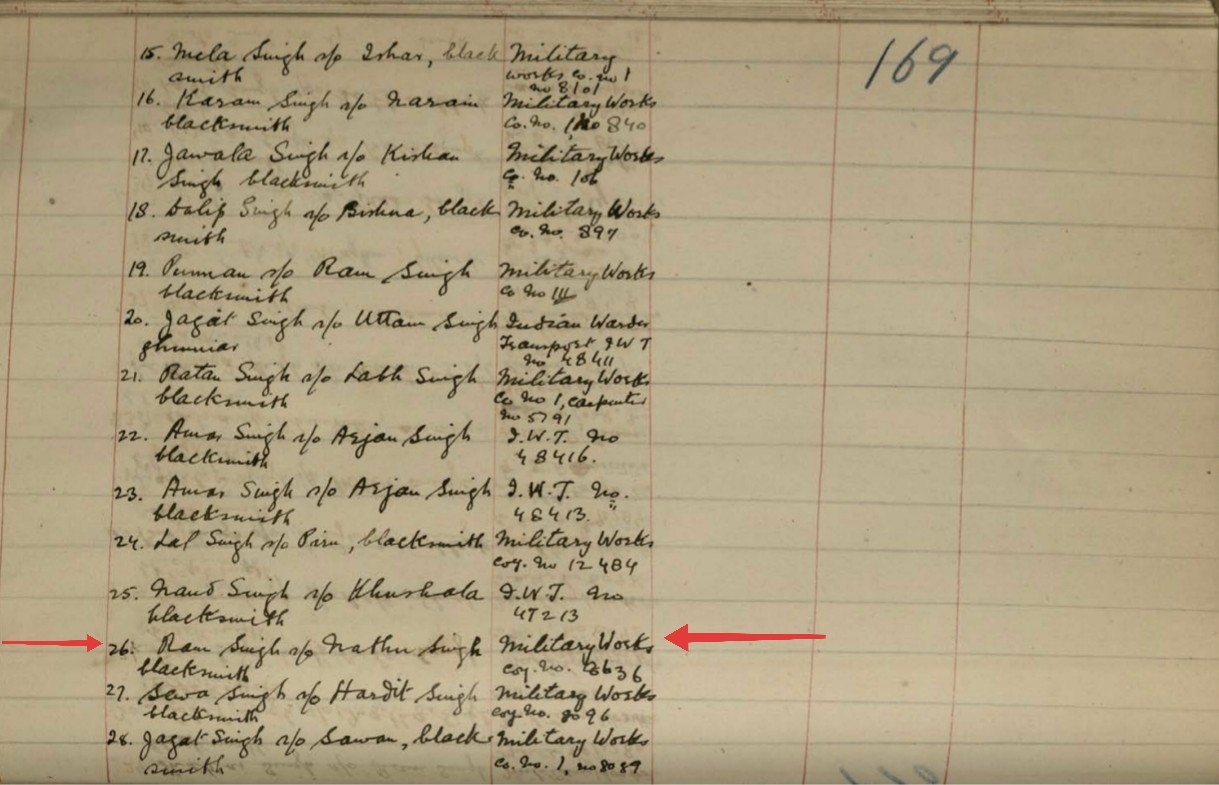
The story begins with Narita’s great-grandfather, Natha Singh, a carpenter from the small Punjabi village of Lohar in Jalandhar. When the First World War broke out, the British Empire called on its colonies for support. From this single village, 63 men enlisted, among them Natha Singh Bahra and his 18-year-old son, Ram Singh Bahra.
During the War, Ram served as a mason in the Works Directorate, part of the Indian Military Works Services. He was deployed to Basra in Mesopotamia (modern-day Iraq). These units were essential to the war effort, constructing the railways, roads and infrastructure that sustained Allied operations across harsh terrain and extreme conditions. Ram was not only a soldier but a skilled builder, helping to keep the campaign moving from behind the front lines.
Service in two World Wars
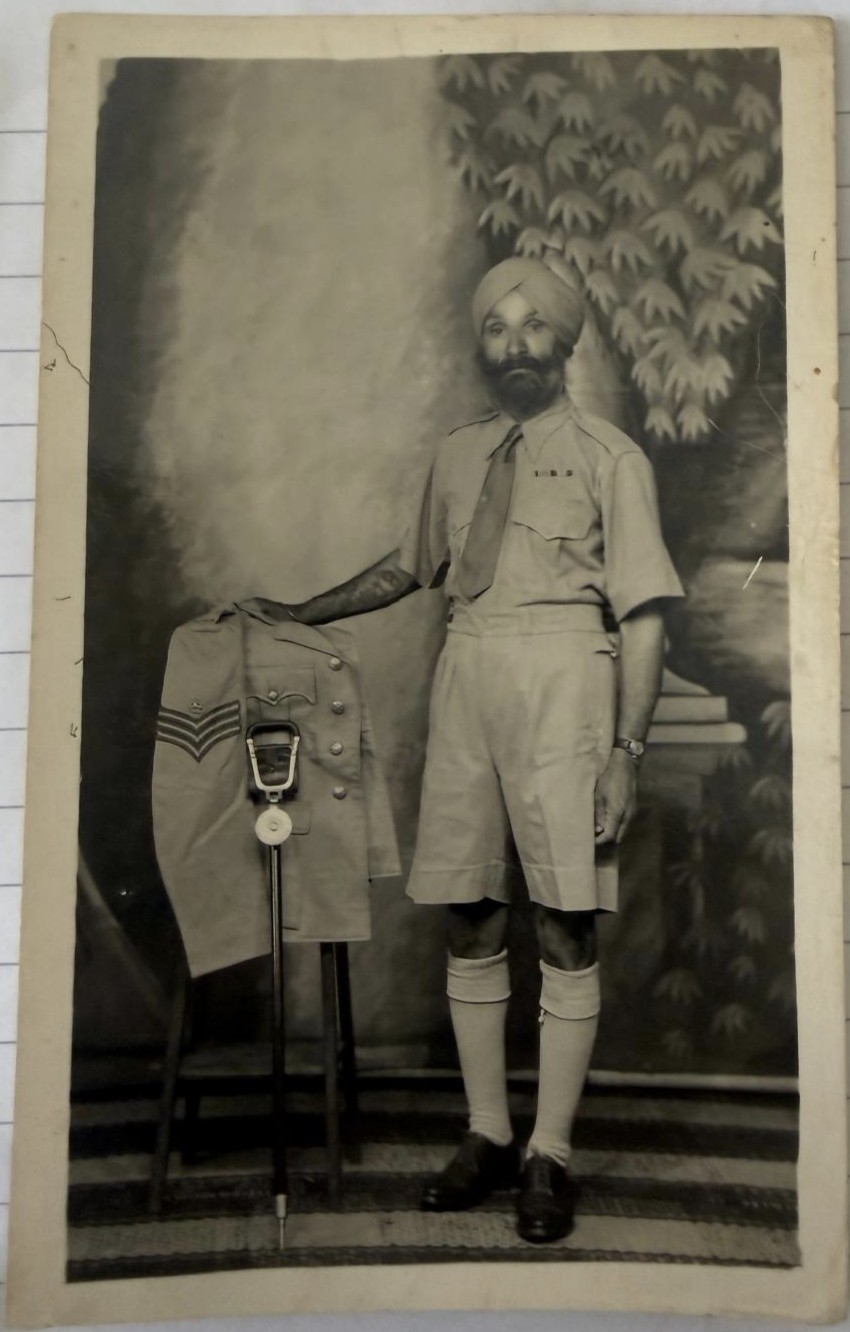
After the war, Ram returned home, became a farmer and started a family, welcoming seven children, including his daughters Joginder Kaur Bahra and Gurdev Kaur Bahra, and his eldest son, Joginder. Seeking new opportunities, Ram later emigrated with his family to Nairobi, Kenya, where he worked on the railways. By the time the Second World War broke out, Ram was in his late forties, an age when many might have expected to step back from hardship. Instead, he chose to serve once again, voluntarily re-enlisting in the King’s African Rifles.
Rising to the rank of Company Quarter-Master Havildar (equivalent to Sergeant), Ram continued his distinguished service. Meanwhile, his son Joginder, a fitter by trade, followed in his footsteps as a Sepoy (private) in the Indian Army Ordnance Corps. Today, that family tradition of service and duty remains alive through Ram’s great-grandson, Yuvraj, a warrant officer in the Cadets.
It is rare to find a soldier who served in and survived both World Wars - rarer still to see such a sustained family tradition of military service.
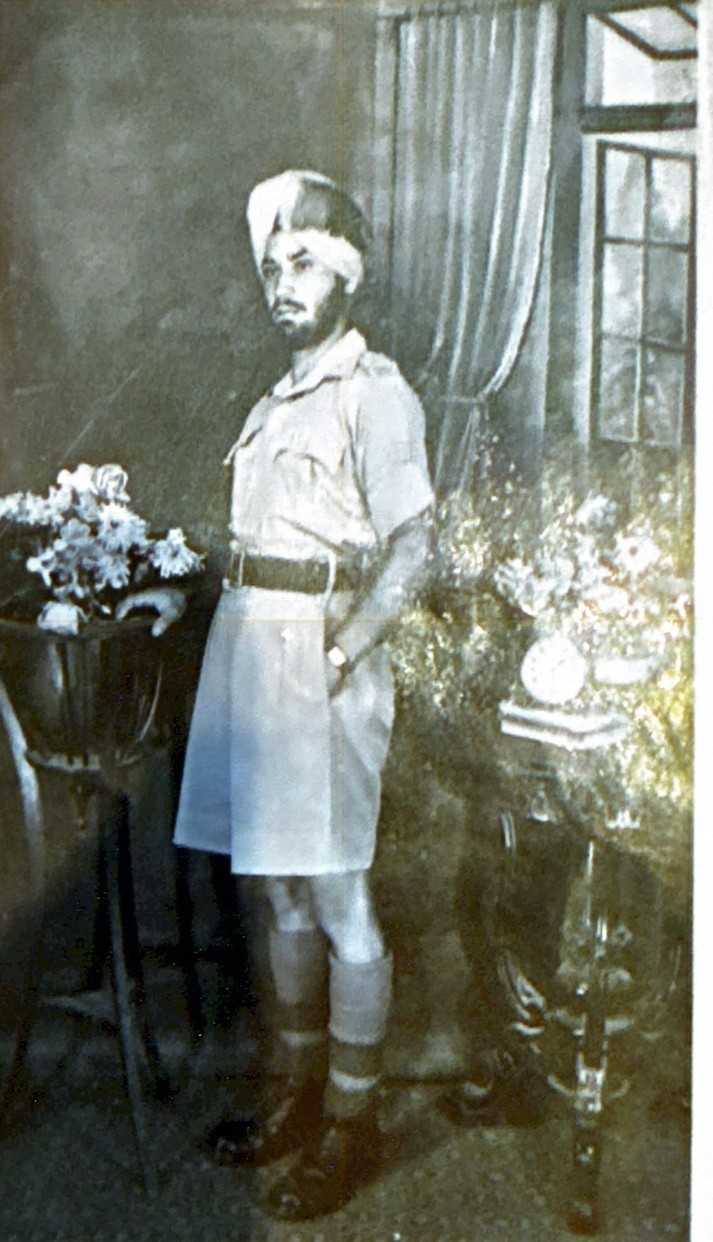
After the Second World War, Ram returned to Kenya, where the family had grown. His son Jagdish Singh Bahra, born in 1942 on the eve of his departure, was now a young boy, and the family soon welcomed their youngest child, Kuldip Singh Bahra, born after Ram’s safe return. When Kenya gained independence in 1948, Ram’s British passport enabled him to bring his family to the United Kingdom, where their story continues today.
A Family Legacy
Despite the distances travelled and the upheavals endured, his son Pritam Singh Bahra and Harbans Singh Bahra preserved treasured links to their past, including Ram’s photographs and his war medals: the British War Medal and the Victory Medal. His son Kirpal Singh Bahra kept the stories alive and his son, Jagdish Singh Bahra carries that legacy forward today, a living connection to a remarkable chapter of history, and the keeper of the medals and photographs that stand as testament to his father’s extraordinary service.
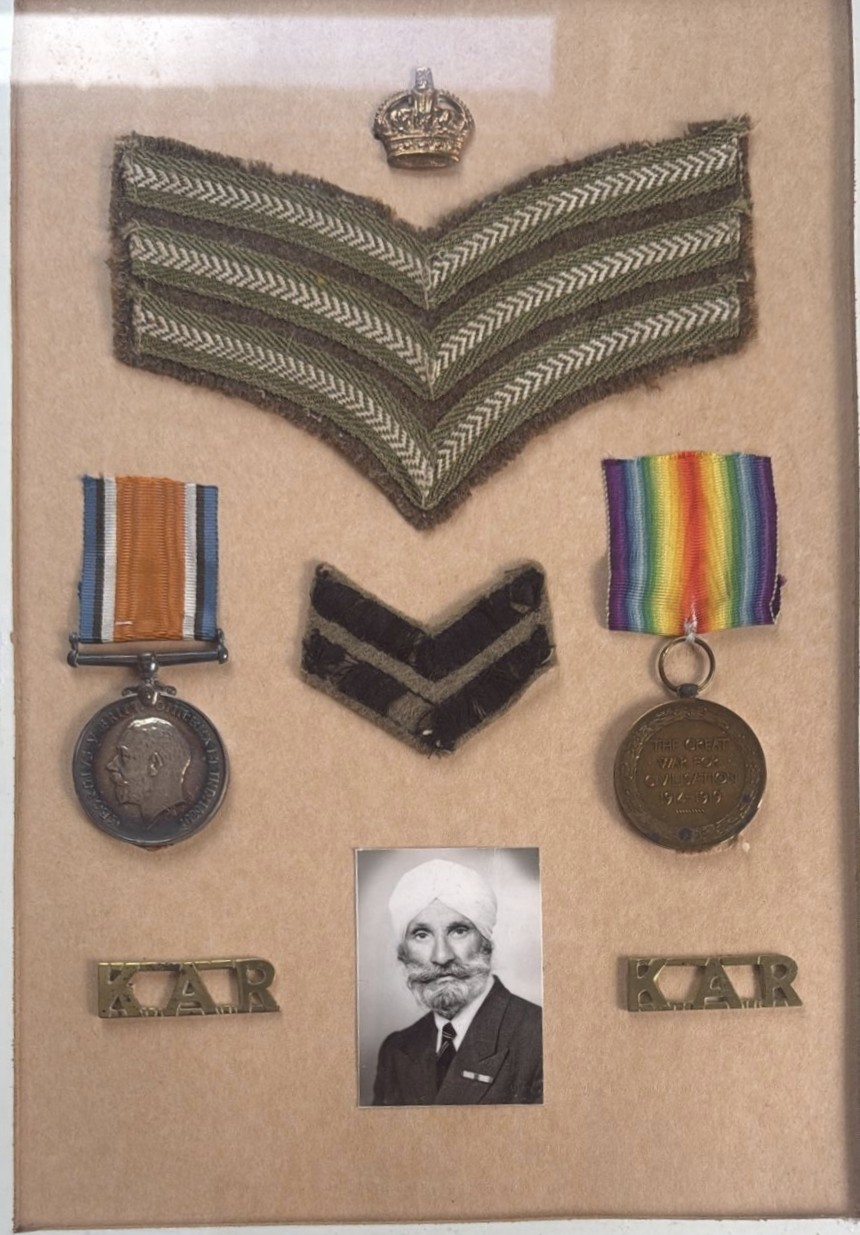
The Bahra family tapestry is part of a much larger history. The British Indian Army was the largest volunteer army in history, with over two million men and women enlisted by 1945, around 20% of them Sikh. It is through these historic connections that many Sikh families have made Britain their home.
Yet for many families, records of service have been lost. Medals, documents and personal accounts have disappeared over time, and many veterans chose not to speak of their experiences. Their stories have often remained untold.
That is now beginning to change.
Finding the Untold Stories
A collaboration between Dr Tejpal Ralmill with the UK Punjab Heritage Association and the University of Greenwich is working to recover and document the stories of Sikh soldiers from the First World War. Their Empire, Faith and War project has created a database of over 320,000 Punjabi soldiers, recording details such as names, regiments, ranks, trades and home villages. Working with the CWGC, they have identified 9,909 soldiers from Punjab who died during WWI but were never commemorated.
If you have a grandfather, great-grandfather or relative who served in the British Indian Army or the King’s African Rifles, you may be closer than you think to uncovering their story. Visit ukpha.org or search the Punjab WWI database at punjabww1.com to begin your journey.
Without the database, Narita’s family story of military service would have remained untold. “Every confirmed detail - a regiment number, a village name, a father’s name - feels like a small act of recovery.”
Through projects like Empire, Faith and War, the extraordinary story of the Bahra family - a lineage of service that began in a Punjabi village over a century ago - continues to be brought to life in the UK today.